Mold Behind Siding: Repair Costs, Removal, and Replacement Options
When mold grows behind siding, it is typically due to moisture getting trapped between the siding and the wall of a building. This trapped moisture creates a damp environment where mold thrives, leading to its growth and spread.
Mold behind siding can pose significant health risks to occupants of the building. Exposure to mold spores can trigger allergic reactions, respiratory issues, and other health problems, especially in individuals with weakened immune systems.
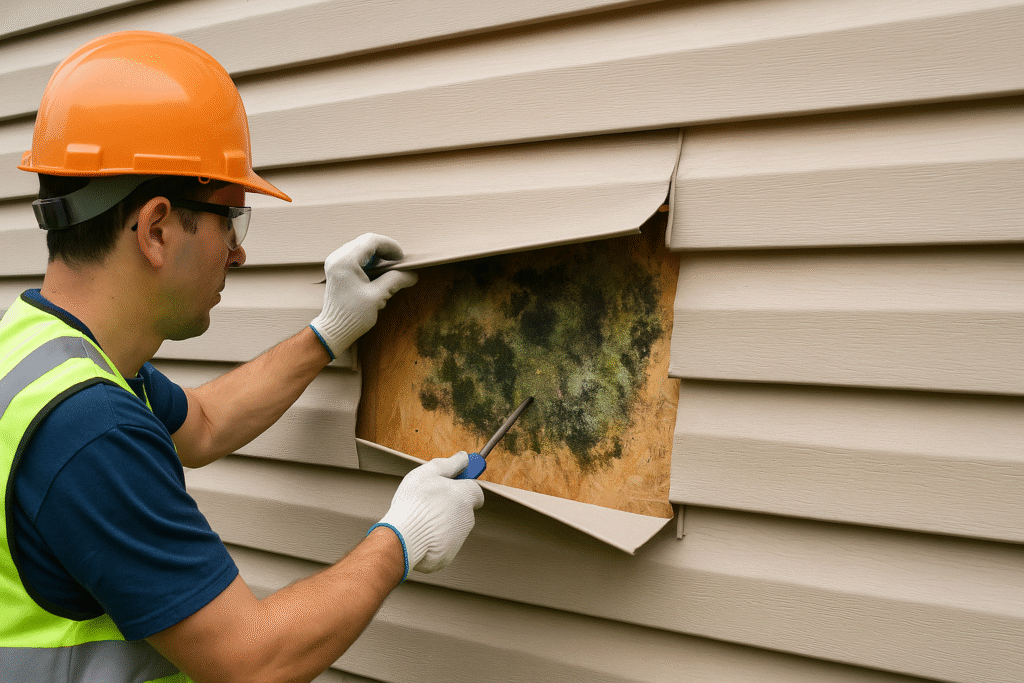
Detecting mold behind siding is crucial to prevent further damage and potential health risks. Here are some methods to identify mold growth behind siding:
One of the most common ways to detect mold behind siding is through a visual inspection. Look for discoloration, warping, or bulging of the siding, which may indicate moisture and mold growth.
A musty odor in certain areas of your home, especially near the siding, can be a sign of mold presence. Pay attention to any unusual smells that could indicate hidden mold growth.
Using a moisture meter can help detect excess moisture behind the siding, which is a common precursor to mold growth. High moisture levels can signal a mold problem that needs immediate attention.
A thermal imaging camera can detect temperature differences in the walls, indicating areas of moisture buildup and potential mold growth. This tool can help identify hidden mold behind siding without the need for invasive methods.
If you suspect mold growth behind your siding but are unsure, consider hiring a professional mold inspector. They have the expertise and tools to accurately detect mold and assess the extent of the problem.Being proactive in detecting mold behind siding can save you time and money in the long run.
Keep an eye out for these signs and consider using appropriate tools for a thorough inspection.
When it comes to repairing mold behind siding, the costs can vary depending on several factors. Understanding what influences these costs and comparing DIY options with professional services can help you make an informed decision.
The average cost for mold removal behind siding can range from $500 to $3000, depending on the factors mentioned above. It is essential to get quotes from multiple professionals to compare prices and services offered.
While DIY mold removal kits may seem like a cost-effective solution, it is crucial to consider the following:
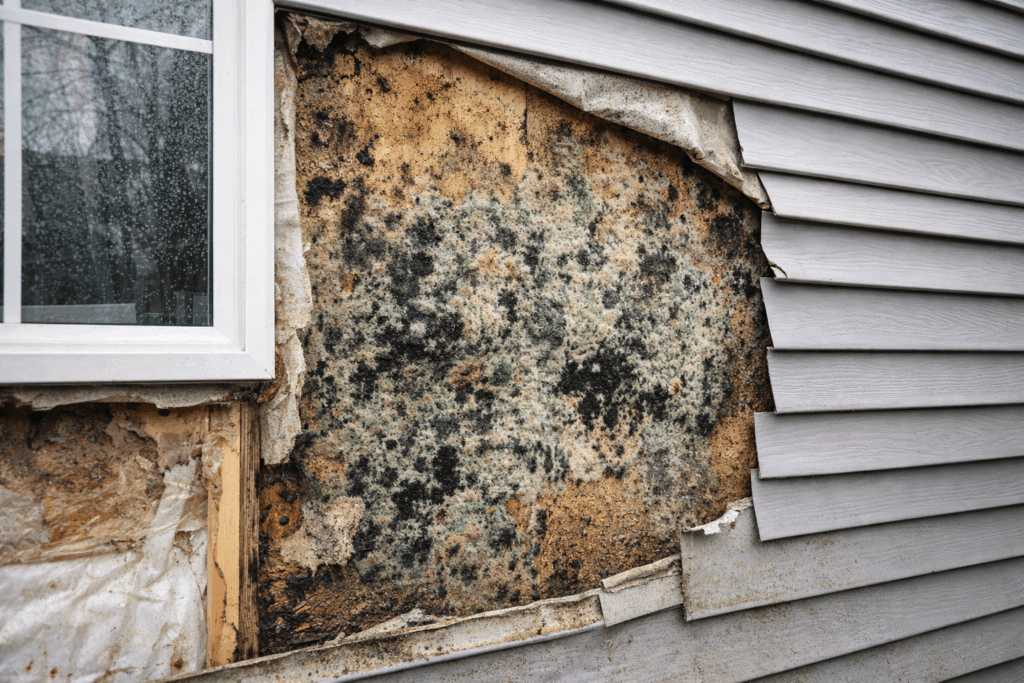
Removing mold behind siding is crucial to prevent it from spreading and causing further damage to your property. There are different methods for removing mold, each with its own effectiveness and considerations.
It’s important to weigh the effectiveness of chemical cleaners against their potential negative impact on your health and the environment.
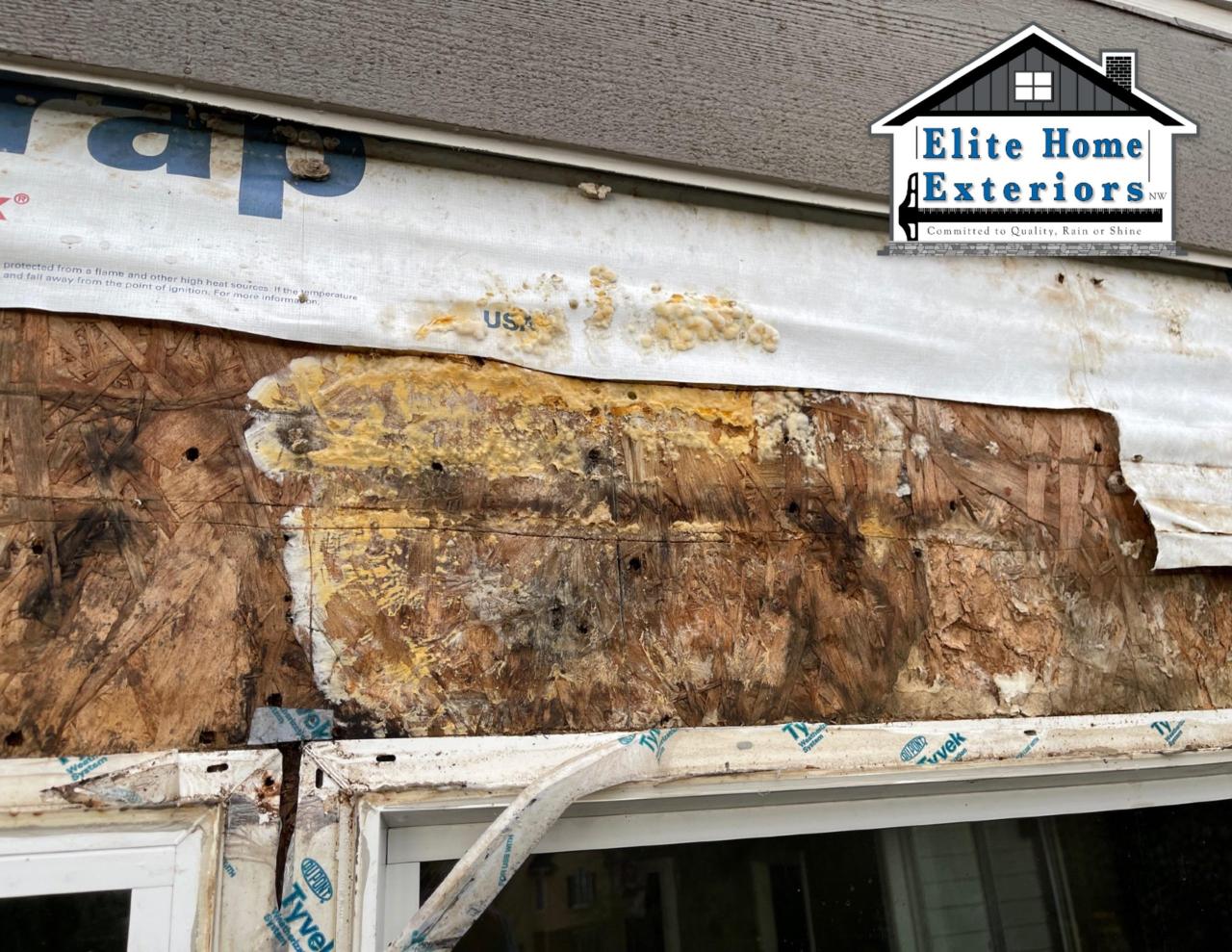
When it comes to mold behind siding, there are instances where replacement becomes necessary to fully address the issue. This is especially true when the mold infestation is extensive and has compromised the structural integrity of the siding. In such cases, replacing the siding is crucial to prevent further damage and ensure a safe living environment.
When choosing siding materials for areas prone to mold growth, it is essential to opt for options that are resistant to moisture and mold. Some suitable siding materials include:
After replacing the siding to address mold issues, it is essential to take preventive measures to avoid future mold growth. Here are some tips to prevent mold growth behind siding:
What are the health risks associated with mold behind siding?
Mold behind siding can lead to respiratory issues, allergies, and other health problems if left untreated. It’s important to address this issue promptly.
Is mold removal behind siding a DIY task?
While some small areas can be tackled DIY, it’s often best to hire professionals for thorough removal to ensure it’s done correctly.
How can I prevent mold growth behind siding after replacement?
Proper ventilation, regular inspections, and maintaining a dry environment can help prevent mold from reoccurring after siding replacement.